


Ancient sandstorm leaves behind wreckage on Mars | Space photo of the day for July 20, 2026

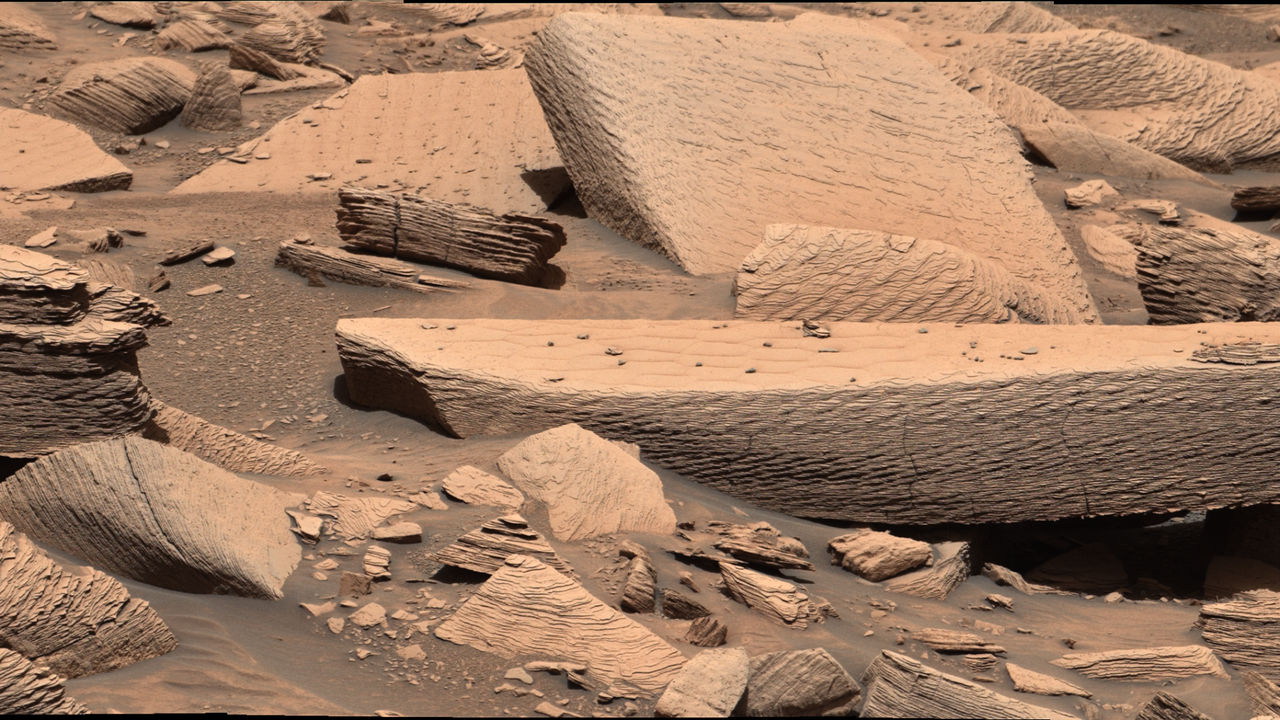
NASA's Curiosity rover has uncovered evidence of ancient sandstorms on the Red Planet.
What is it?
Scientists think ancient Mars was quite different than it is today. While we might know it now as a barred, reddish wasteland, billions of years ago it actually had an atmosphere. Scientists even think that it had flowing rivers and expansive lakes.
And with observations from the Curiosity rover, researchers are exploring ancient sandstorms they think blew across the Martian landscape.
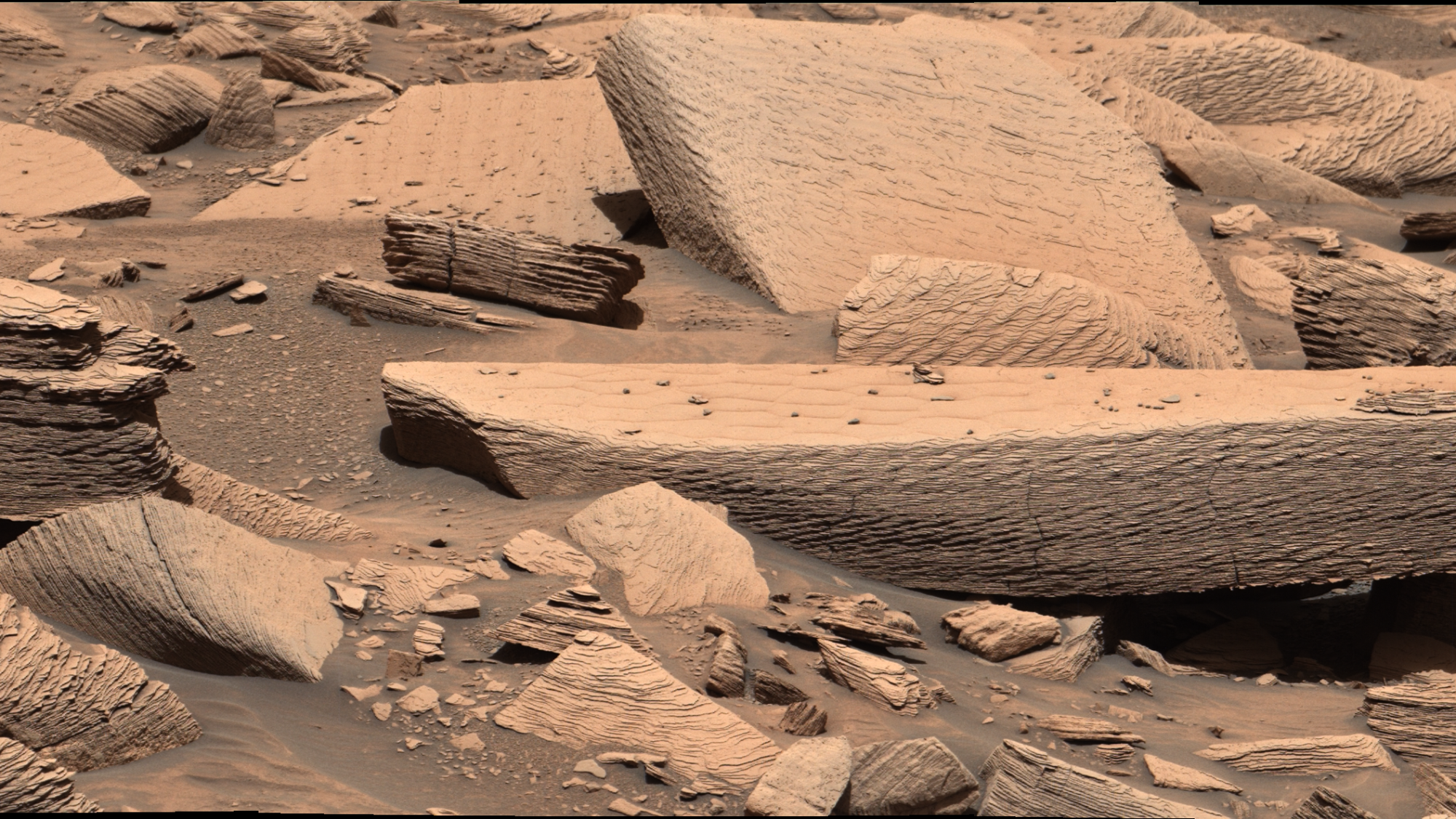
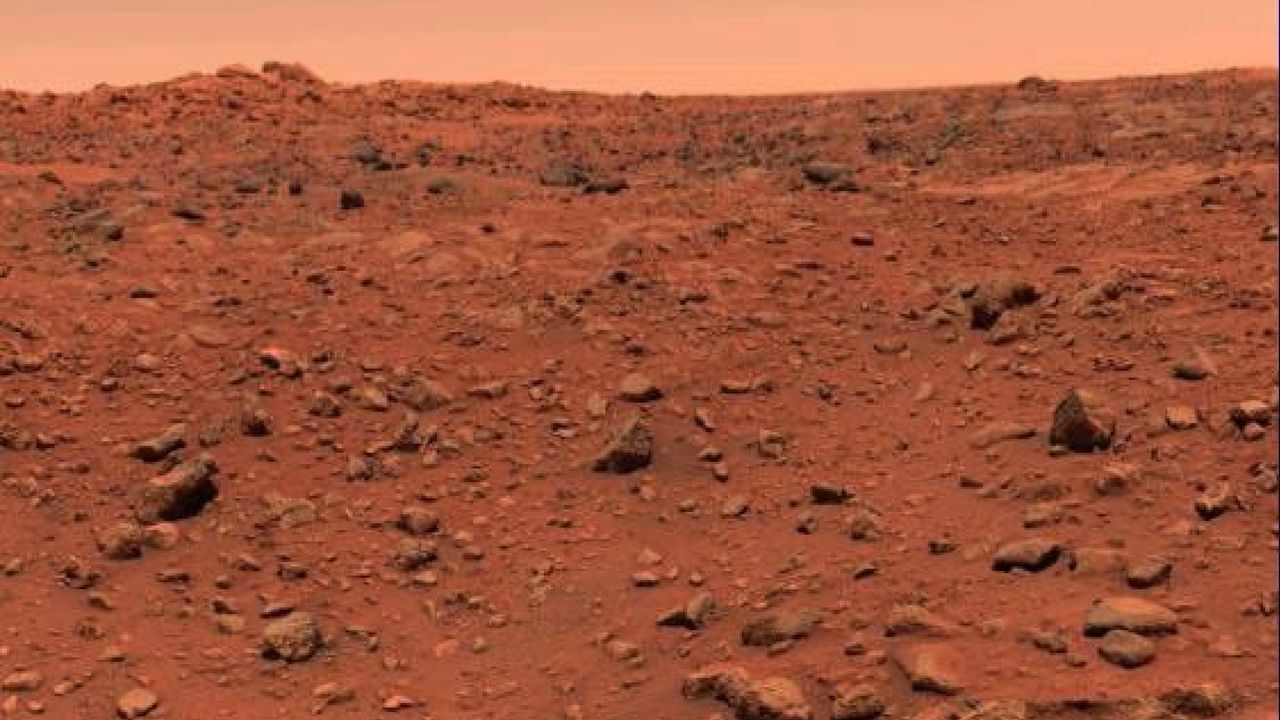
In this image Curiosity snapped, you can see what experts think is the aftermath of an especially extreme sandstorm in a spot nicknamed "Jawbone Canyon." Winds from this storm were likely so extreme that they pushed sand into rippling waves that eventually hardened into rock.
And if you really look closely at this image, you can almost see how the rocks appear to have ripples on them.
While the image was captured in 2024, a new investigation of the observation and discovery of this sandstorm was described in a study published this year in the journal Geology.
Why is it incredible?
This observation by Curiosity is part of a long history of exploration on the Martian surface that actually began 50 years ago today.
On July 20, 1976, NASA's Viking 1 lander touched down on the Red Planet. Aside from the Soviet Mars 3 lander that lasted only a few seconds on the world before losing contact, Viking 1 was the first Mars lander to survive landing and successfully went on to study the planet.
Viking-1 took the first-ever images on the surface of Mars, studied the planet's soil and really sparked investigation of whether or not the world may have ever supported life. Thanks to the success of this mission 50 years ago, today we have rovers like Curiosity and Perseverance on Mars leading us at the cutting edge of exploration.
What's Your Reaction?
 Like
0
Like
0
 Dislike
0
Dislike
0
 Love
0
Love
0
 Funny
0
Funny
0
 Wow
0
Wow
0
 Sad
0
Sad
0
 Angry
0
Angry
0











Comments (0)