



Apollo 11 landing site, a cosmic Eagle and a blue-white star: 4 night sky targets to celebrate America 250

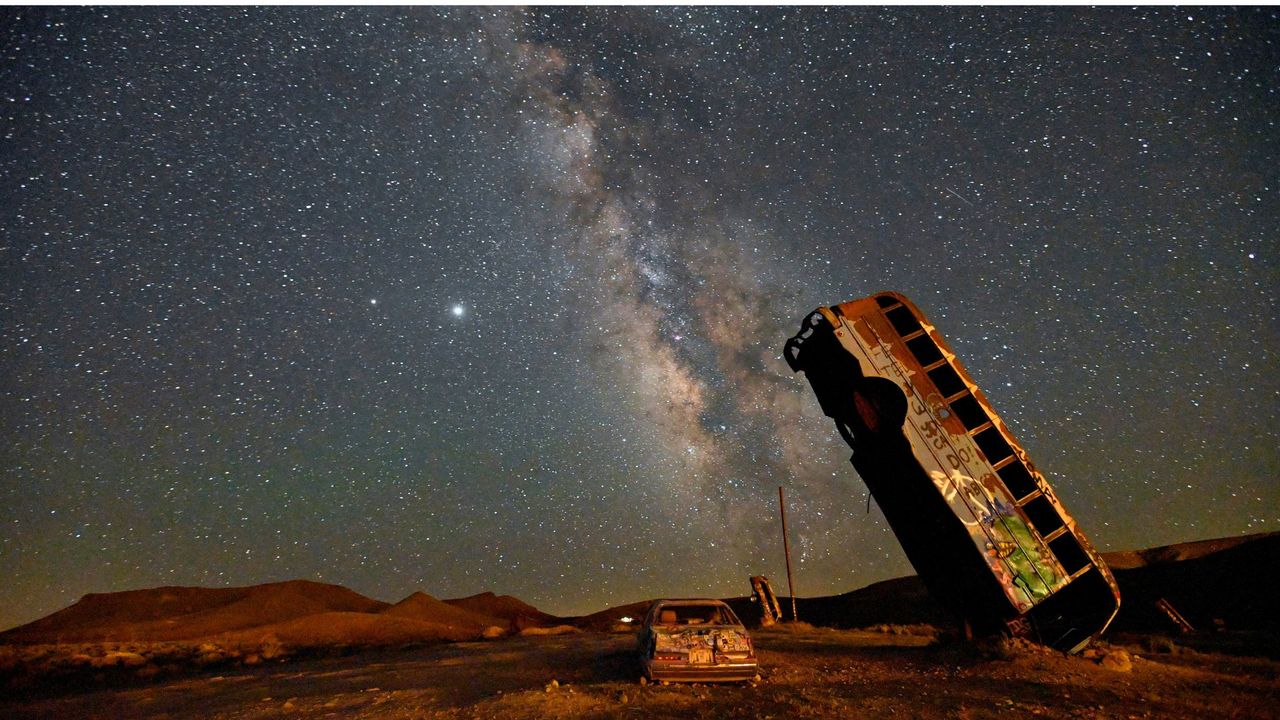
The United States' 250th birthday is almost here, so why not take a break from the fireworks and explore four America-themed wonders hiding in the summer night sky?
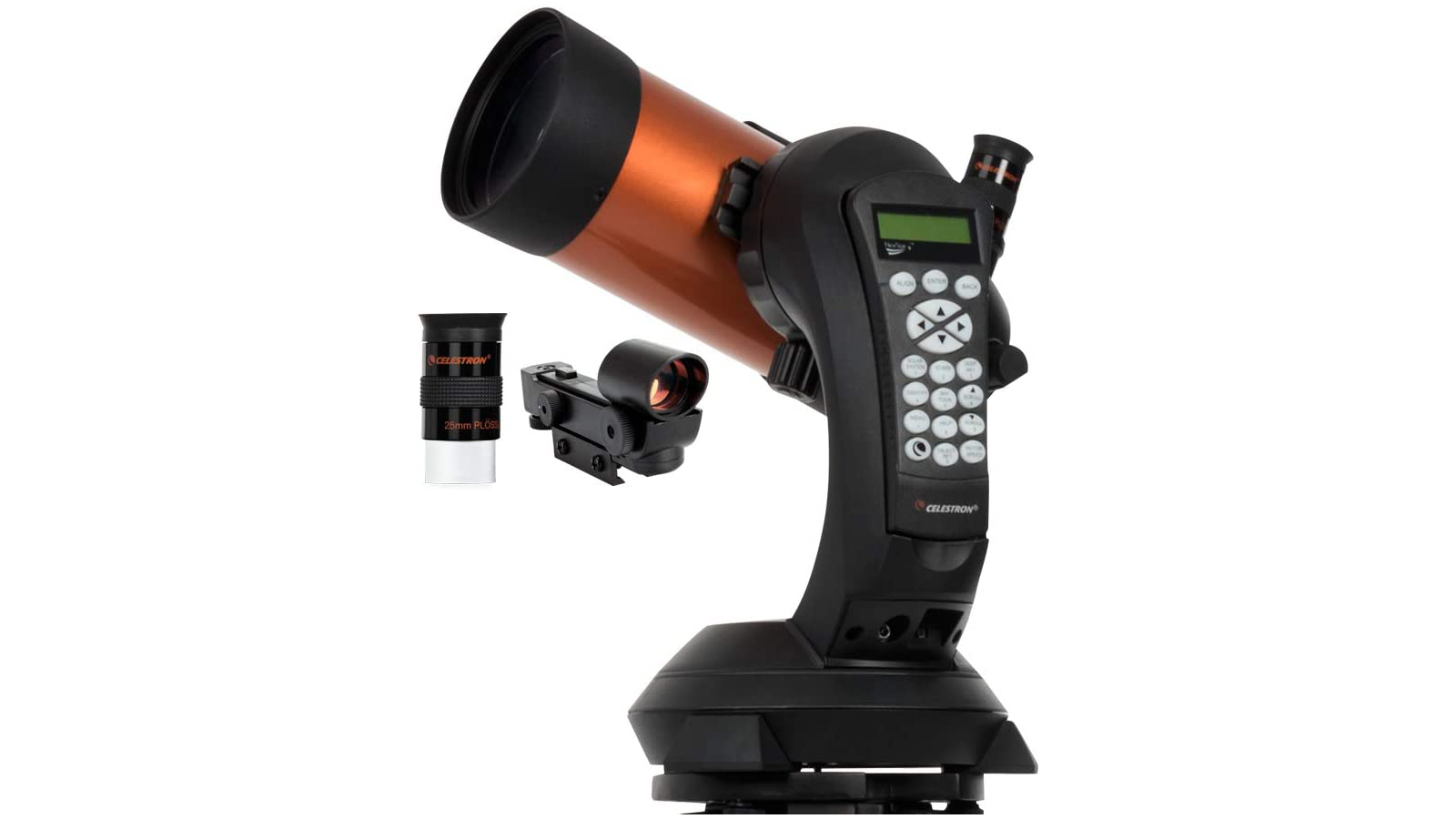
The Celestron NexStar 4SE is ideal for beginners wanting quality, reliable and quick views of the night sky. For a more in-depth look at our Celestron NexStar 4SE review
Our celestial sightseeing targets run the gamut from lone stars and constellations to historic lunar landmarks and an uncannily shaped nebula — some of which will require a small telescope or a camera to truly appreciate.
If you're new to the night sky, then you may want to check out our roundup of the best stargazing smartphone apps, which will help you navigate to specific targets using augmented reality technology.
Apollo 11 landing site
One of America's finest moments came on July 20, 1969, as Apollo 11 astronauts Neil A. Armstrong and Edwin E. "Buzz" Aldrin Jr. took humanity's first steps on the surface of Earth's moon. Here's how to spot the region of the moon that contains the Apollo 11 "Tranquility Base" landing site with the naked eye on the weeks surrounding a full moon.
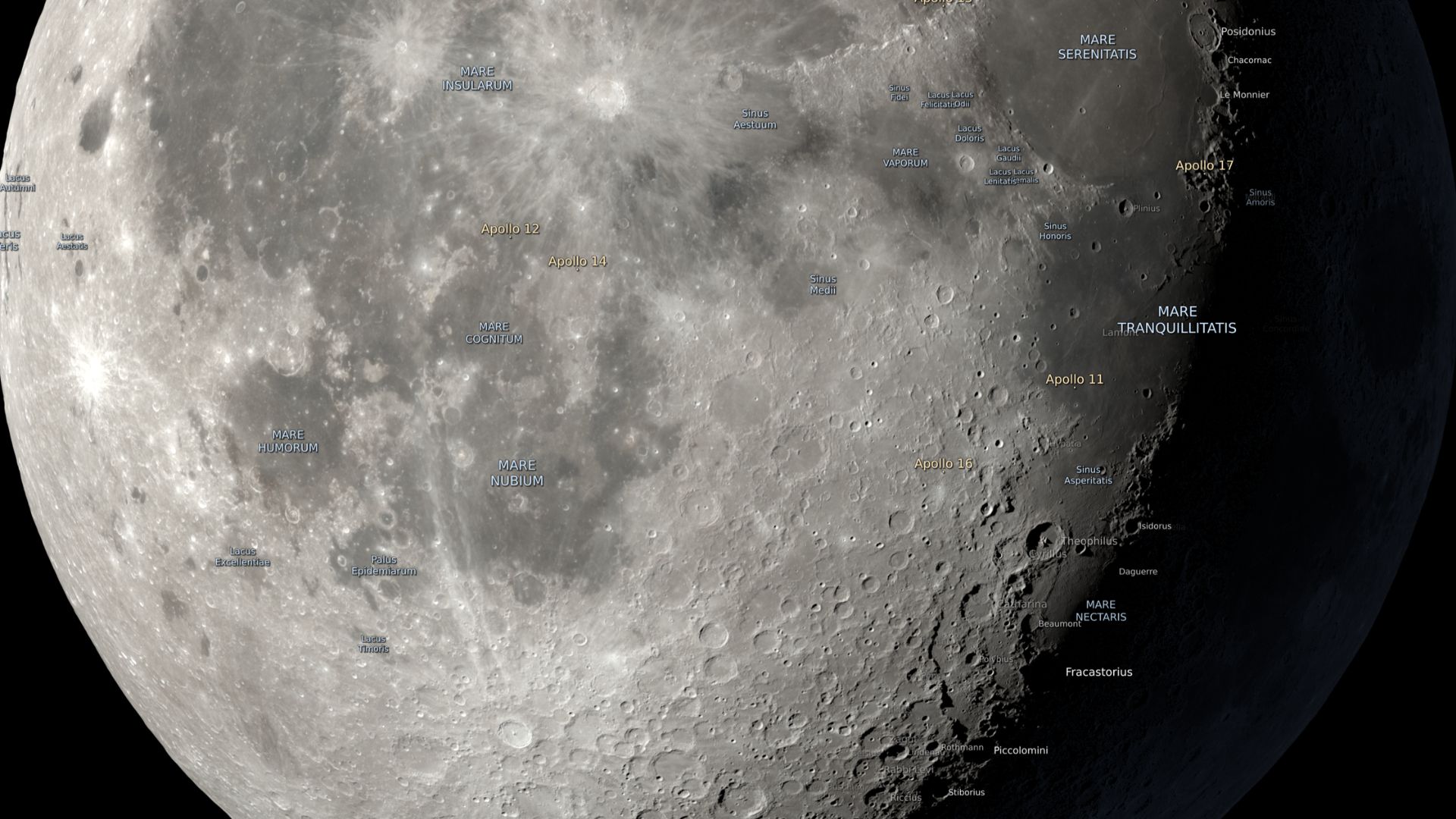
First, find the dark expanse of Mare Tranquilitatis darkening a swathe of the moon's eastern limb close to the equator, where ancient lava flows once filled networks of impact basins before solidifying to create vast basaltic plains.
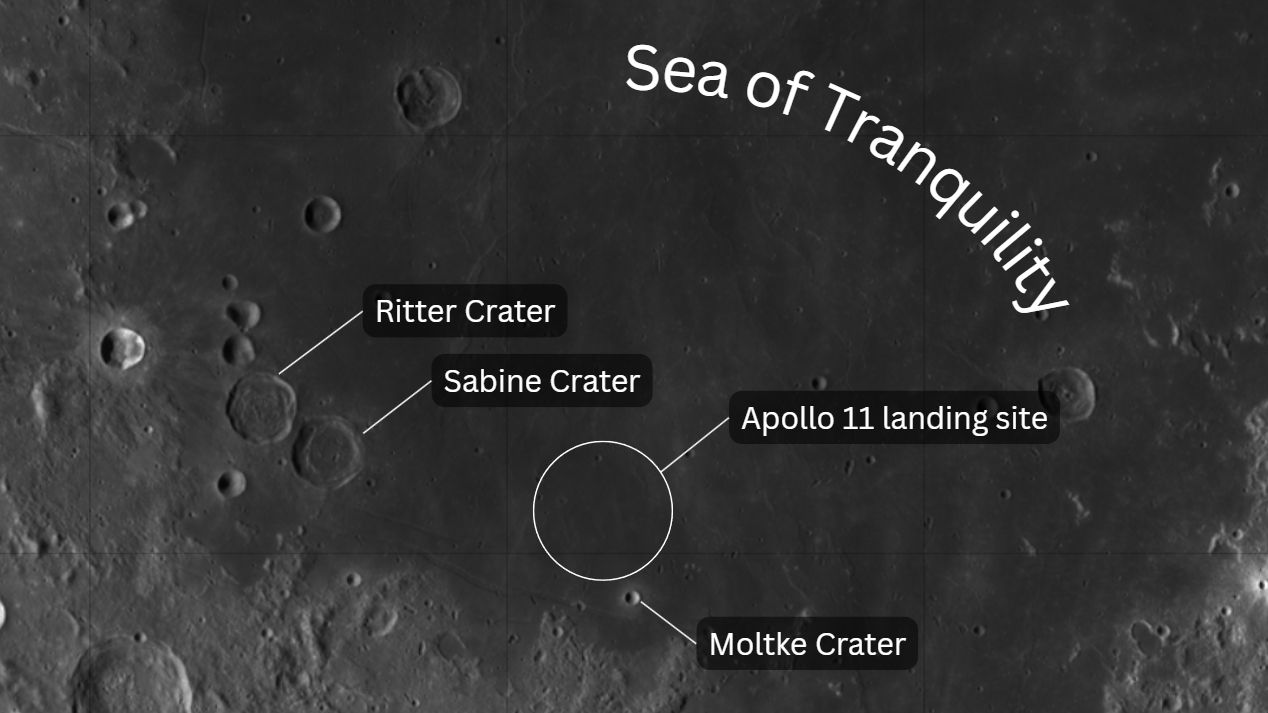
The Apollo 11 landing site is located on the southwestern shore of the Sea of Tranquility, between the Sabine and Moltke impact craters, which can be spotted with the aid of a small telescope. You can also search for the Apollo 11 backup landing sites using our handy guide, or even attempt to find where each Apollo-era mission touched down on the lunar surface.
Spica
The United States' relationship with the night sky dates back to its founding. After all, the stars depicted on the nation's earliest flags were intended to symbolize the birth of a new constellation, with each representing one of the 13 original colonies that formed the early union, according to the Smithsonian Institution.
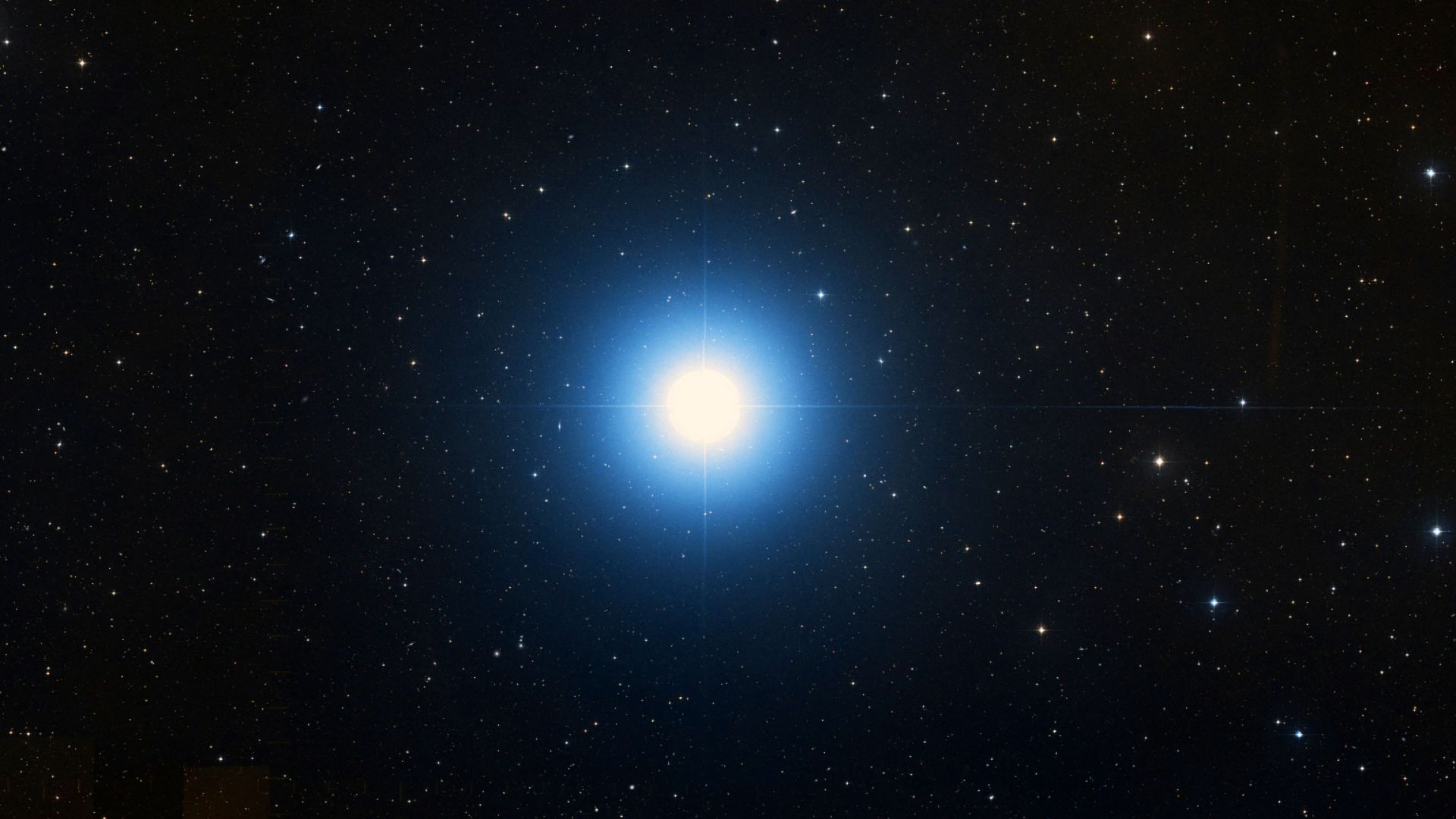
You can honor that spirit on the nation's semiquincentennial anniversary by finding a star whose light left its surface around the same time that the United States declared its independence!
The blue-white double star system Alpha Virginis — known better as Spica — is located roughly 250 light-years from Earth in the constellation Virgo. As such, the light cast out from its surface some 250 years ago is only now reaching Earth, having traveled for centuries through the near vacuum of space at the speed of light — a blistering 186,282 miles per second (299,791 kilometers per second).
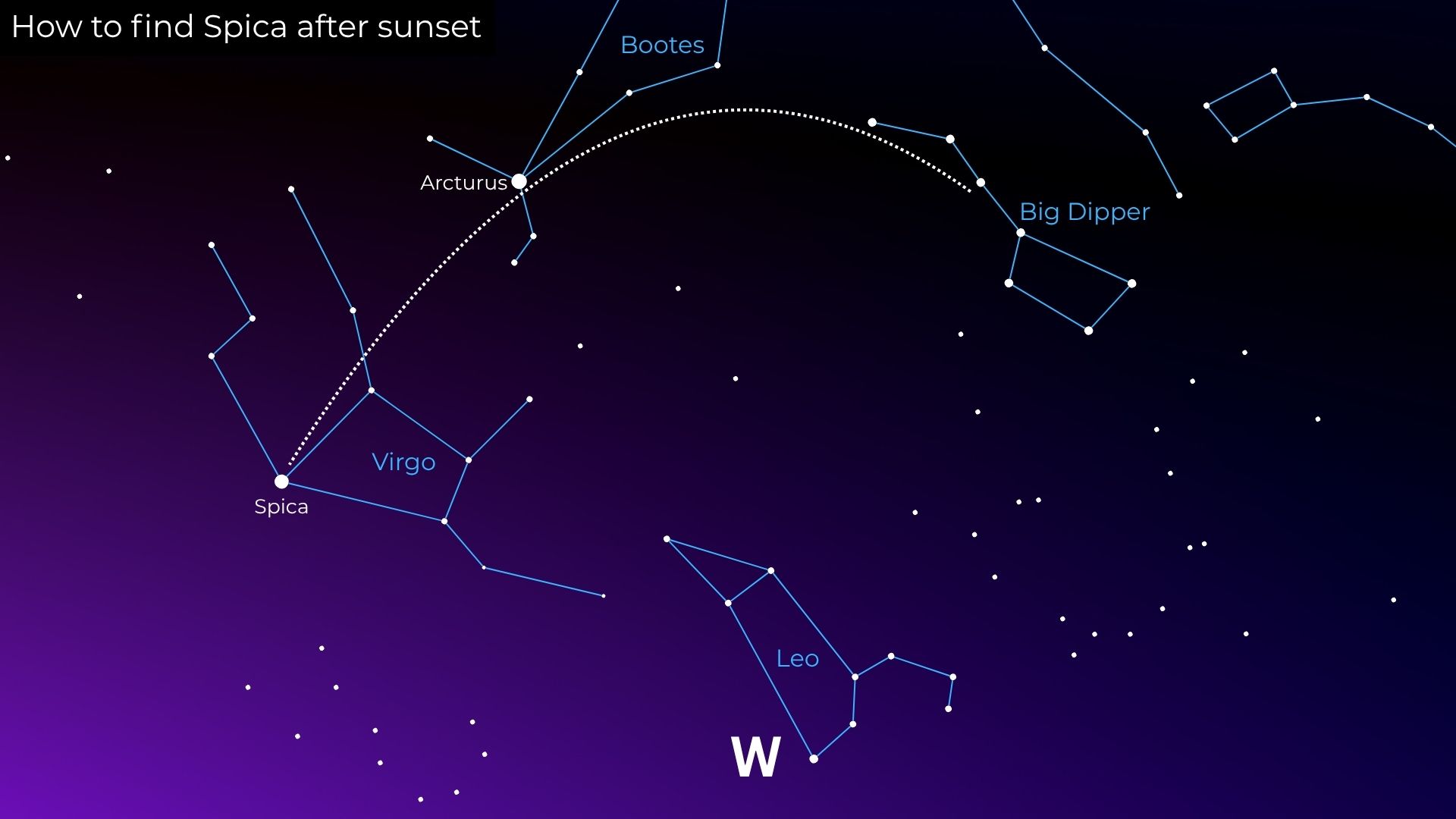
To find Spica, you first need to locate the seven bright stars of the Big Dipper asterism above the northwestern horizon after sunset, and trace an imaginary line along the curve of the Big Dipper's handle. Do that, and you'll come across the bright orange star Arcturus, the 4th brightest star in the night sky. Continue that arc beyond Arcturus and the next bright blue-white star you find will be Spica!
The constellation Aquila
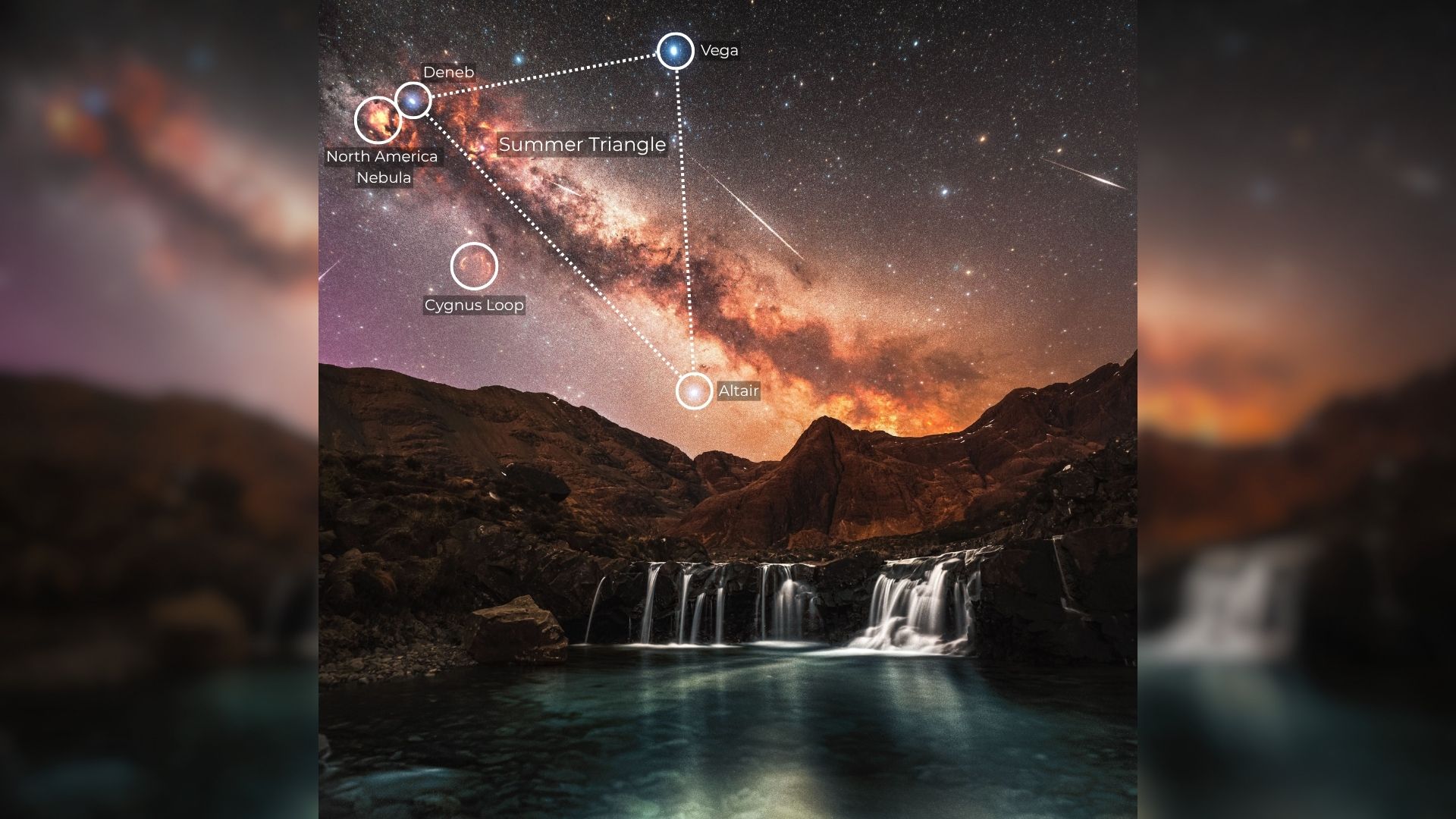
Next up, we have the constellation Aquila, the "Eagle", which shines along the glowing ribbon of the Milky Way in early summer. The constellation evokes the shape of a great Bald Eagle, which was adopted as a national emblem of the United States in 1782. Aquila itself has been associated with an eagle for thousands of years and was catalogued by the ancient Greek astronomer Claudius Ptolemy in the second century AD.
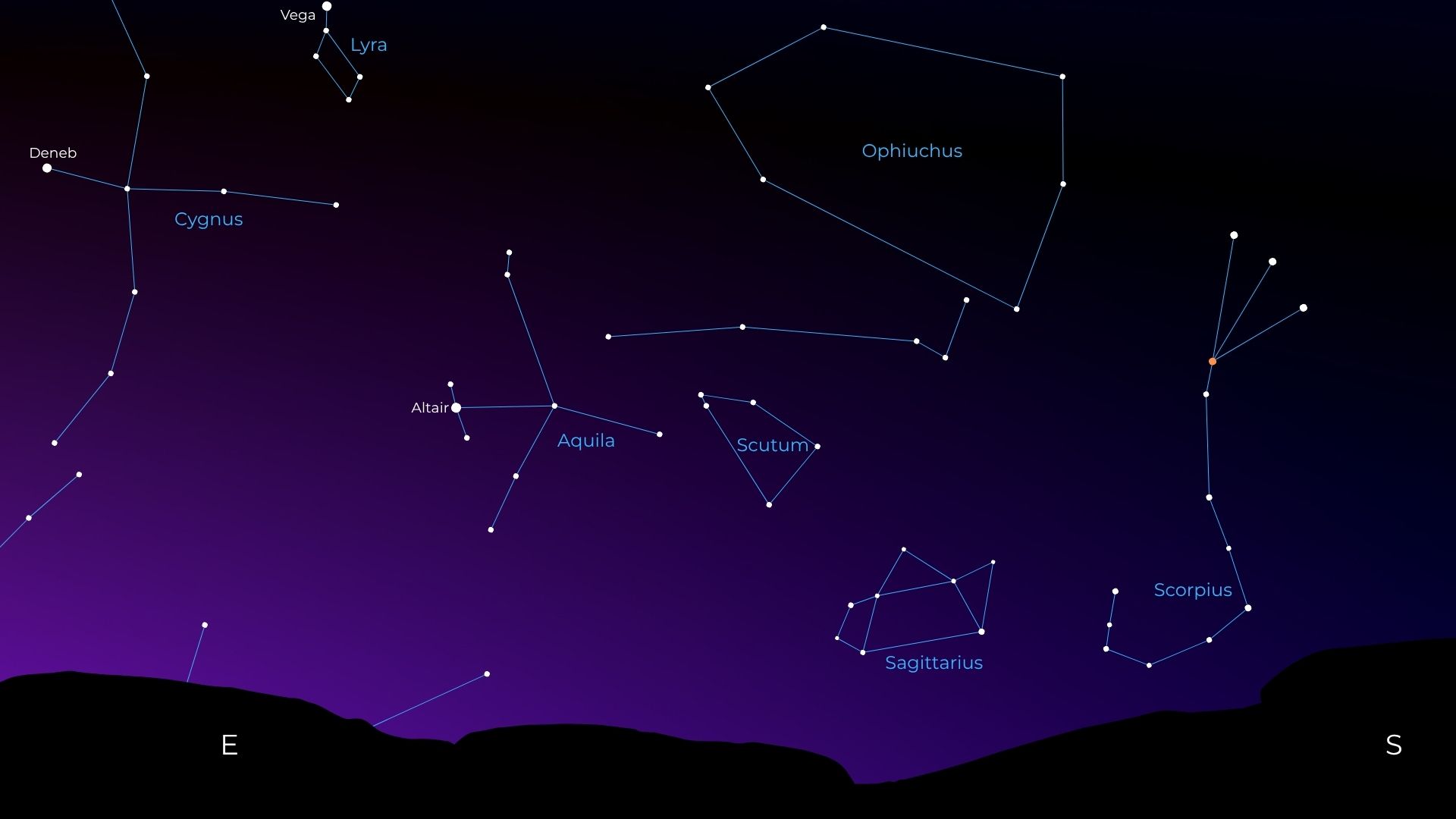
A good way to find Aquila is to search for the bright star Altair, which can be seen glowing halfway up the southern sky to the left of the Milky Way for viewers in the U.S. around midnight in early summer. Altair, along with the nearby stars Alshain and Tarazed, represent the head of the great eagle, while the body and raised wings of the celestial bird are depicted in a cross formation of stars beneath.
North America Nebula
Our final stop is the North American Nebula — a gorgeous emission nebula whose vast glowing clouds of interstellar hydrogen resemble the outline of North America.
The North America Nebula is too faint to see with the naked eye. However, a pair of 10x50 binoculars or a small telescope should reveal the star-forming region as a gentle brightening in the band of the Milky Way from a dark sky location, less than five degrees from the bright star Deneb, which shines above the eastern horizon after sunset.
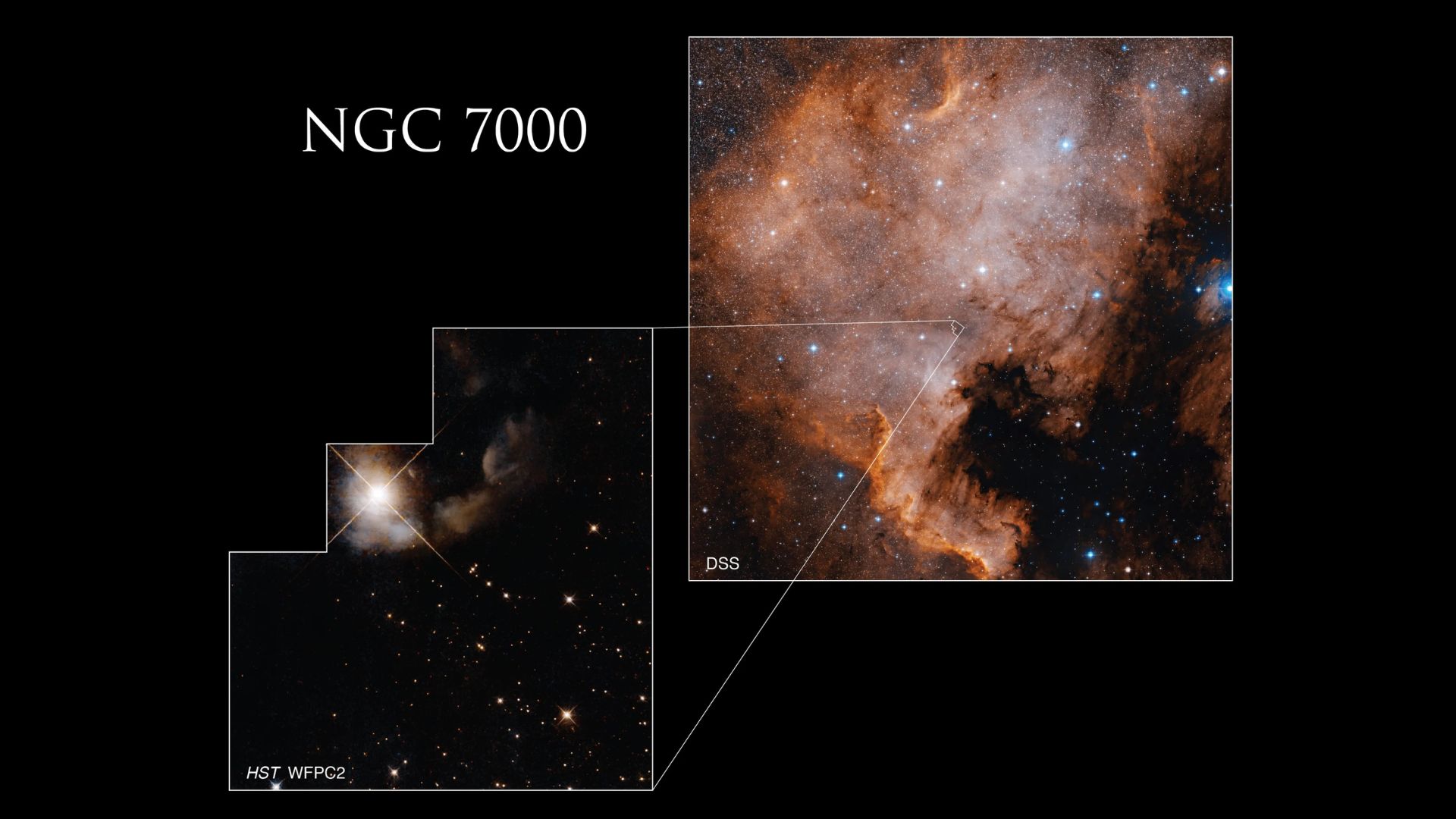
Its structure is best seen through long exposure photography, which will help reveal the dusty filaments and chaotic cosmic clouds that form the nebula. Read our beginner's guide to photographing the Milky Way for more!
Want to get a closer look at the night sky? Then be sure to check out our roundups of the best telescopes and binoculars for stargazing, along with our expert tips for beginning your amateur astronomy journey.
Editor's Note: If you would like to share your astrophotography with Space.com's readers, then please send your photo(s), comments, and your name and location to spacephotos@space.com.
What's Your Reaction?
 Like
0
Like
0
 Dislike
0
Dislike
0
 Love
0
Love
0
 Funny
0
Funny
0
 Wow
0
Wow
0
 Sad
0
Sad
0
 Angry
0
Angry
0










Comments (0)