


Artemis II was an incredible reminder of our shared humanity just when we needed it most (op-ed)

For ten glorious days starting on April 1, 2026, one human endeavor captivated our home planet across continents and time zones: the NASA Artemis II mission to orbit the moon, the first crewed mission to cislunar space since 1972. In an Easter-Passover week that had especially demoralizing headlines on global conflicts, this mission presented a powerful vision of what journeying together and taking enormous risks for a shared purpose towards a shared future could look like.
Much has been spoken and written about the scientific and personal achievements of the Artemis II mission and its trailblazing astronauts. Their humanity, and what it did for humankind at large, is perhaps a quieter yet just-as-celebratory achievement.
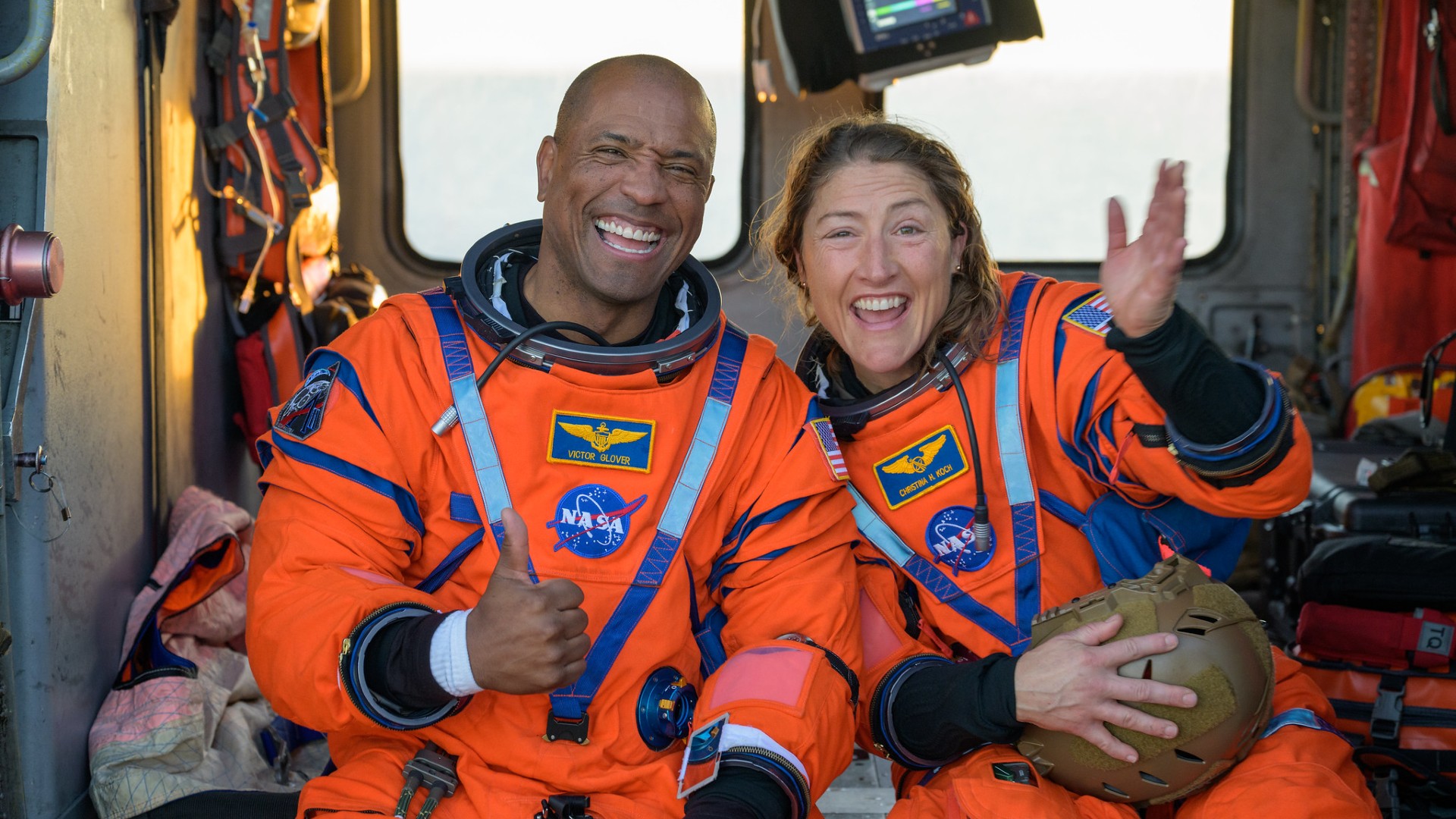
In a time of trillion-dollar AI IPOs, when the seemingly planned obsolescence of humanity itself looms on our collective horizon, the Artemis II astronauts reminded us that they considered it the honor of a lifetime to do this for us - and as us - while transmitting daily that they couldn’t wait to come home to us. As Christina Koch shared at the end of the translunar injection burn (TLI) on day 2, while Artemis II set its course to leave Earth's orbital space for the moon as well as its return trajectory: "With this translunar injection burn, we do not leave Earth. We choose it."
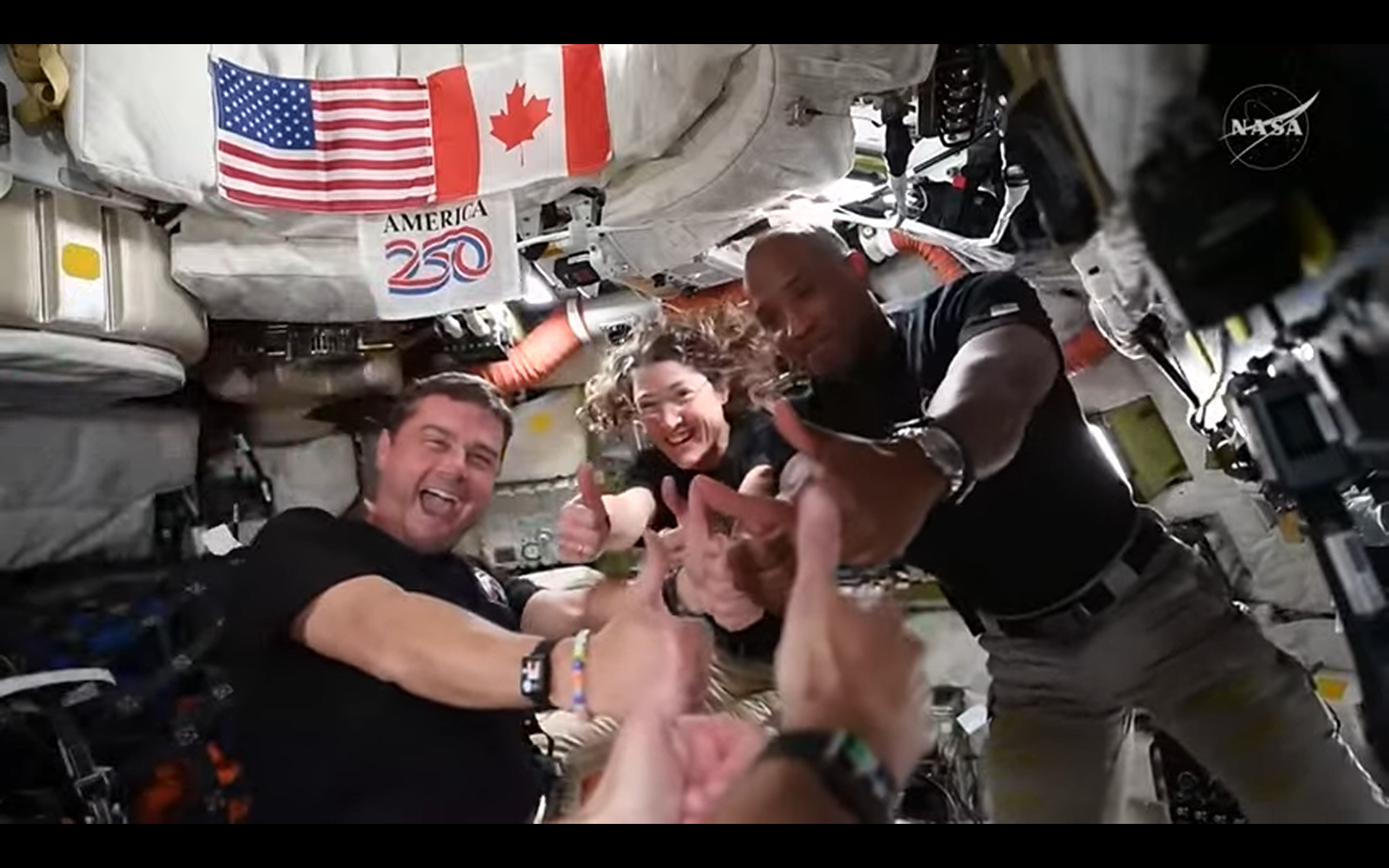
From their morning wake-up music playlists (which inspired many to enquire about submitting their compositions for future crewed missions), to the reading out of their menus and details of their daily workouts or sleep schedules, we were reminded that these astronauts were navigating with us in real time the humdrum work of staying alive while conducting amazing science. This signal reached Earth as a continuous invitation to fellowship, and the record-breaking viewership of Artemis II built like a slow cooker feast, with global engagement increasing from launch to splashdown.
The Artemis II livestream introduced many viewers to the unavoidable aspects of spaceflight missions, such as the timing lag and blackouts in communications that will endure regardless of future technological advancements.
Sometimes this was wonderfully funny, like when the Canadian Prime Minister Mark Carney sought reassurance from the Artemis II astronauts that they preferred maple syrup to Nutella over their pancakes, with the astronauts bursting into laughter a few seconds after the media in-room chuckles.
At other times, it was the quiet anticipation of unprecedented history like the 40-minute communications blackout when the Orion spacecraft traveled behind the moon, or the heart pounding nailbiters of the 6-minute blackouts during the TLI or re-entry to Earth. In an era that rewards instantaneity over pauses, the globe watched and waited together. Such communication lags will compound dramatically for more distant worlds we explore, yet will still tether us profoundly in real time to one another despite our attention- and time-deprived schedules.
The Artemis II livestream also brought home the challenges of human bodily functions far from home. An inordinate amount of media attention and communications airtime was devoted to the brand new model of NASA toilet which developed issues just hours after launch and later became unfunctional on day 3 of the mission. Panels of NASA and space studies experts were asked by journalists about whether the astronauts were able to do either one or both of "#1" or "#2", or why the toilet gave off burning smells, highlighting the very human realities of boldly going where no one has gone before.
We also saw the rocking of the Orion capsule framed by the darkness of space and the background of the moon or Earth. We watched as each astronaut took their turn with the mandatory daily exercise routine to prevent bone density loss, cardiovascular issues and other health declines in a microgravity environment (only one astronaut can work out at a time, owing to space restrictions and to prevent buildup of exhaled carbon dioxide in an enclosed environment).
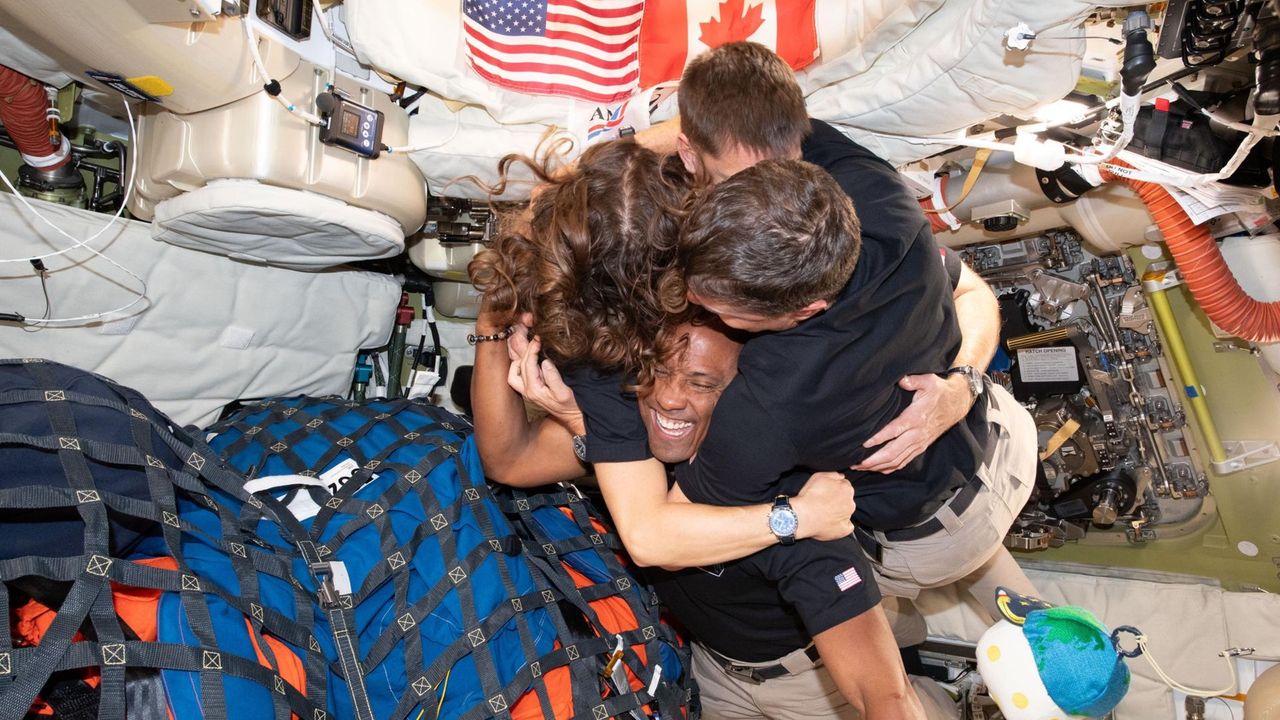
The Artemis II mission was full of deeply personal experiences and observations shared by the astronauts, made even more powerful by their unscripted nature. Commander Reed Wiseman's impromptu words of gratitude to the thousands of engineers and staff involved with the successful TLI, and the spontaneous naming of craters on the far side of the moon including - as the astronauts wept and hugged - one for his deceased wife Carroll, connected us in real time to their, and therefore our, evolving scientific and human perspectives.
This gratitude was echoed in a recent interview at the Kennedy Space Center, in which Wiseman shared that he had just received a handwritten note at the airport written on a boarding pass, stating "Thank you for reminding us about joy and hope in the universe again", which he expanded on to thank all the hands that helped the Artemis II mission succeed.
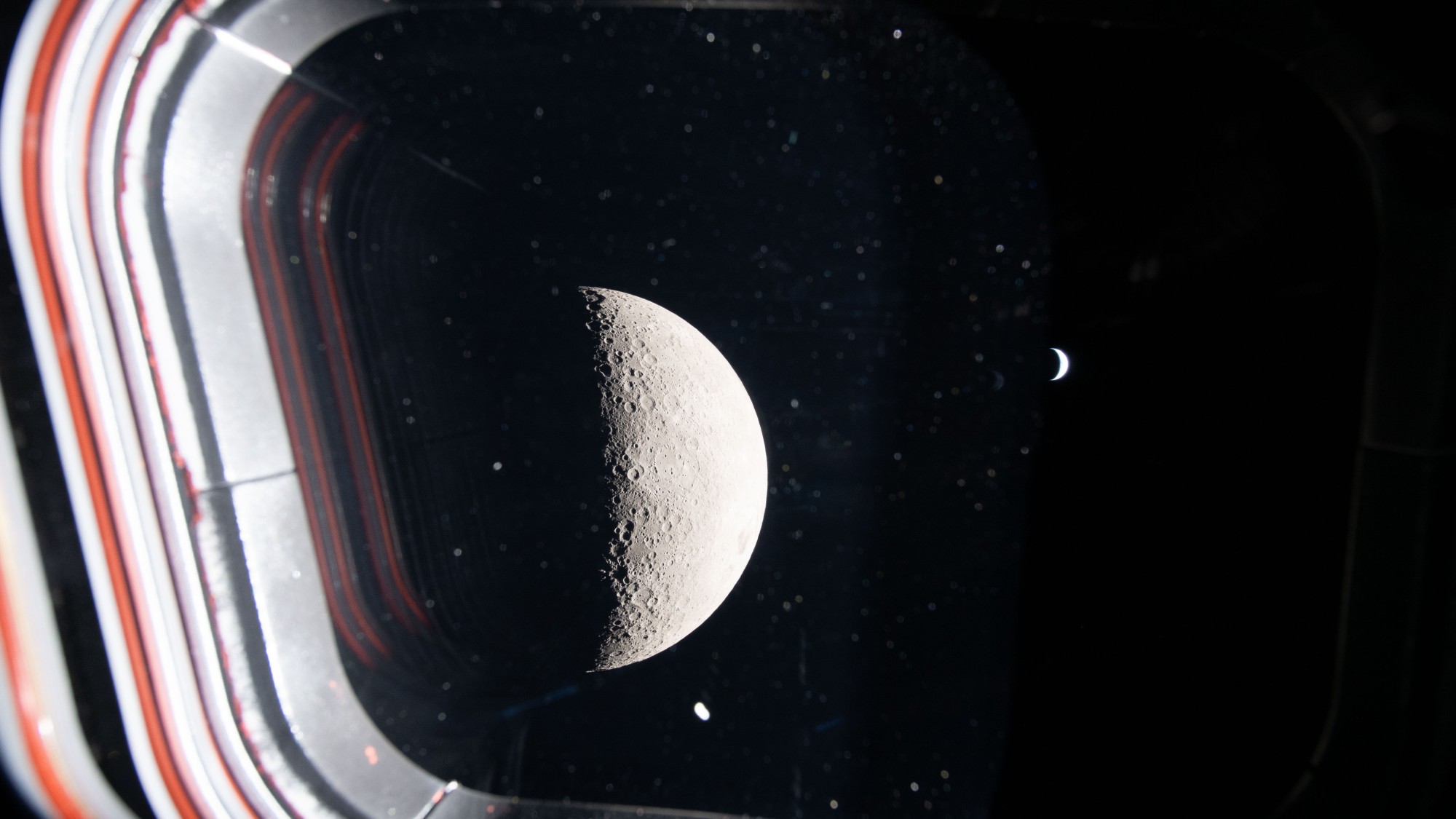
There were also moments during the mission when they simply ran out of words, like when they saw shades of colors on far-side lunar craters on what appears from Earth as a gray barren world. They called for new language to describe what they were seeing.
NASA recently issued a call for filmmakers, documentarians, songwriters, and poets to contribute to mission storytelling, especially encouraging in the wake of the cancellation of the artist-focused dearmoon mission. Perhaps a Dictionary of the Moon and an Embassy of the Moon, as Dutch artist Marjolijn van Heemstra has proposed, will become possibilities in the future.
Towards the end of the 1997 movie "Contact," based on the 1985 book by Carl Sagan, astronaut and SETI scientist Dr. Ellie Arroway (played by Jodie Foster) is overcome by the experience of interstellar travel and the dazzling views it brings. She says in a choked voice "they should have sent a poet."
In the case of Artemis II, we sent four.
What's Your Reaction?
 Like
0
Like
0
 Dislike
0
Dislike
0
 Love
0
Love
0
 Funny
0
Funny
0
 Wow
0
Wow
0
 Sad
0
Sad
0
 Angry
0
Angry
0









Comments (0)