


The Perseid meteor shower is here! How to see the best shooting stars this summer

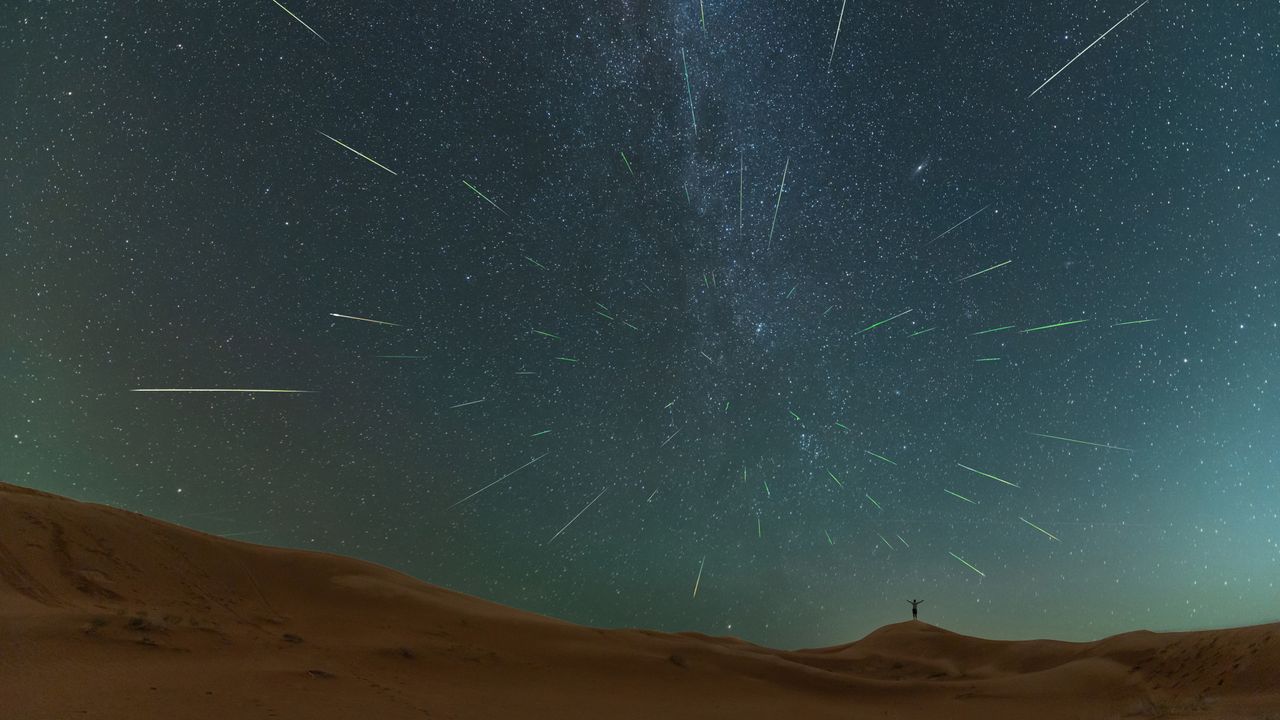
Look up! The Perseid meteor shower is finally active, bringing the potential for gorgeous shooting stars and fireballs as Earth plunges into the trail of debris shed by the icy comet Swift-Tuttle. Here's what you need to know.
The Perseid meteor shower 2026 is set to be a truly magnificent affair and a stark contrast to last year, when moonlight drowned out all but the brightest shooting stars. The shower will reach peak activity overnight on Aug. 12-13 under the dark skies of the new moon. During the peak, up to 100 shooting stars may be seen each hour as they cut fiery paths through the summer sky, according to the American Meteor Society.
You could even spot a Perseid brightening the false twilight triggered at the climax of the Aug. 12. eclipse, as the moon perfectly hides the surface of our parent star. But for that to happen you'd have to find yourself in the path of totality just as a large fireball-producing meteoroid struck Earth's atmosphere. It's certainly possible, but let's just say that the odds aren't stacked in your favor.
If you're not in the path of totality then there's no need to despair, you stand a much better chance of spotting Perseids the old fashioned way anyway!
How to spot Perseid shooting stars
Perseid meteors can be spotted anytime after dark from tonight onwards, streaking away from a patch of sky, or radiant, located close to the red supergiant star Eta Persei in the constellation Perseus.
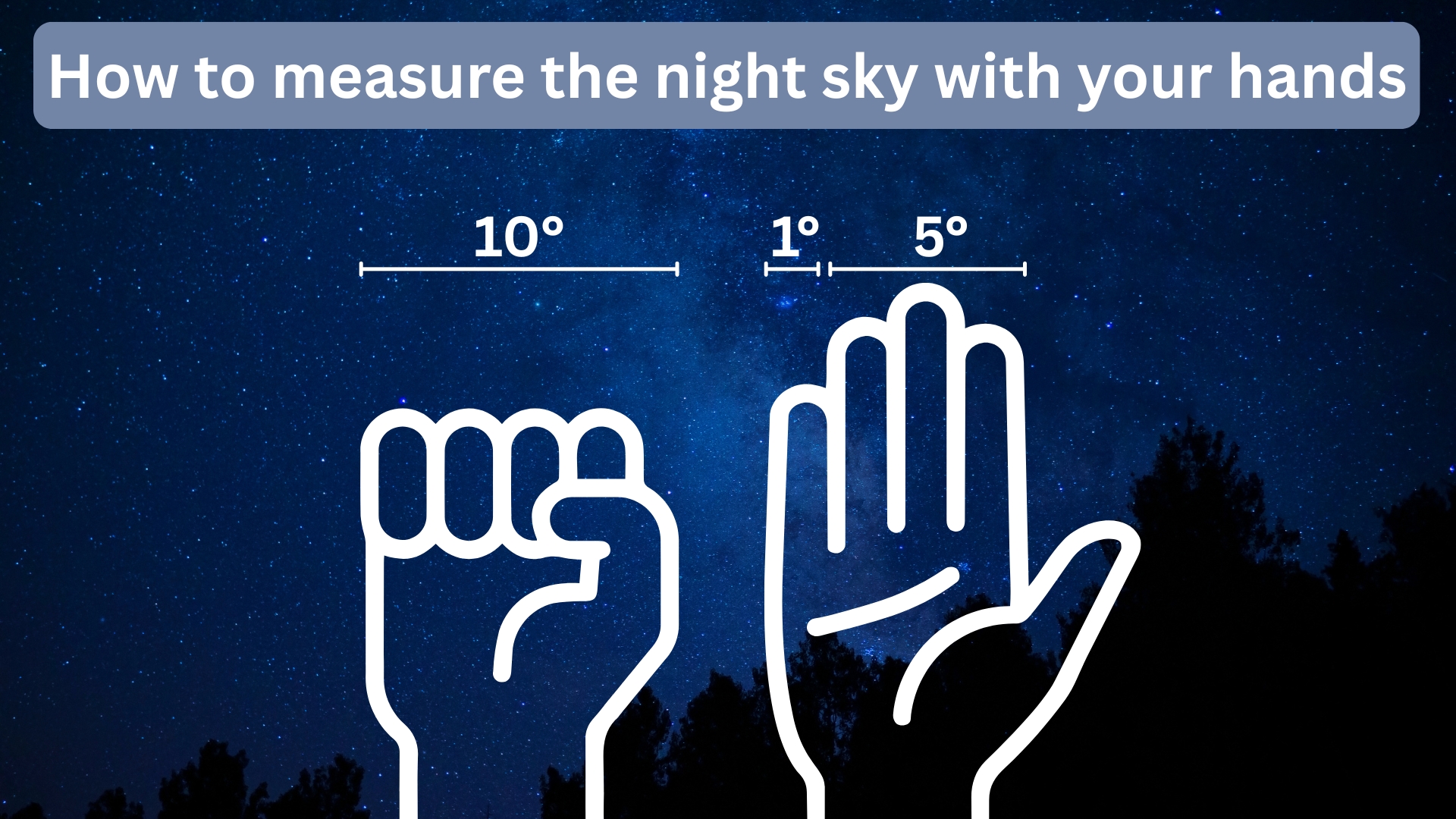
To find the best meteors, you'll first want to locate Perseus glistening above the northwestern horizon after dark. Next, find a patch of sky 40 degrees above it, and settle in for one of the year's premier natural light shows. This is where the shooting star trails will be at their longest.
The Perseids are also famed for producing vivid green fireballs capable of briefly turning night to day as larger chunks of debris collide with Earth's atmosphere at speeds of up to 37 miles per second (59 kilometers per second).
When to look for Perseid meteors
Perseid meteors may be spotted anytime from 10 p.m. onward for viewers in the U.S., though the number of visible shooting stars will be higher in the hours before dawn, when the radiant rises to its highest point in the summer night sky. Try to head away from city lights and allow at least 20 minutes for your eyes to adapt to the darkness.
Relatively few shooting stars will be visible in the days following the shower's awakening compared to the peak. However, if you do catch one, you'll have seen the demise of a meteoroid that's likely been flying through space for thousands of years before reaching Earth.
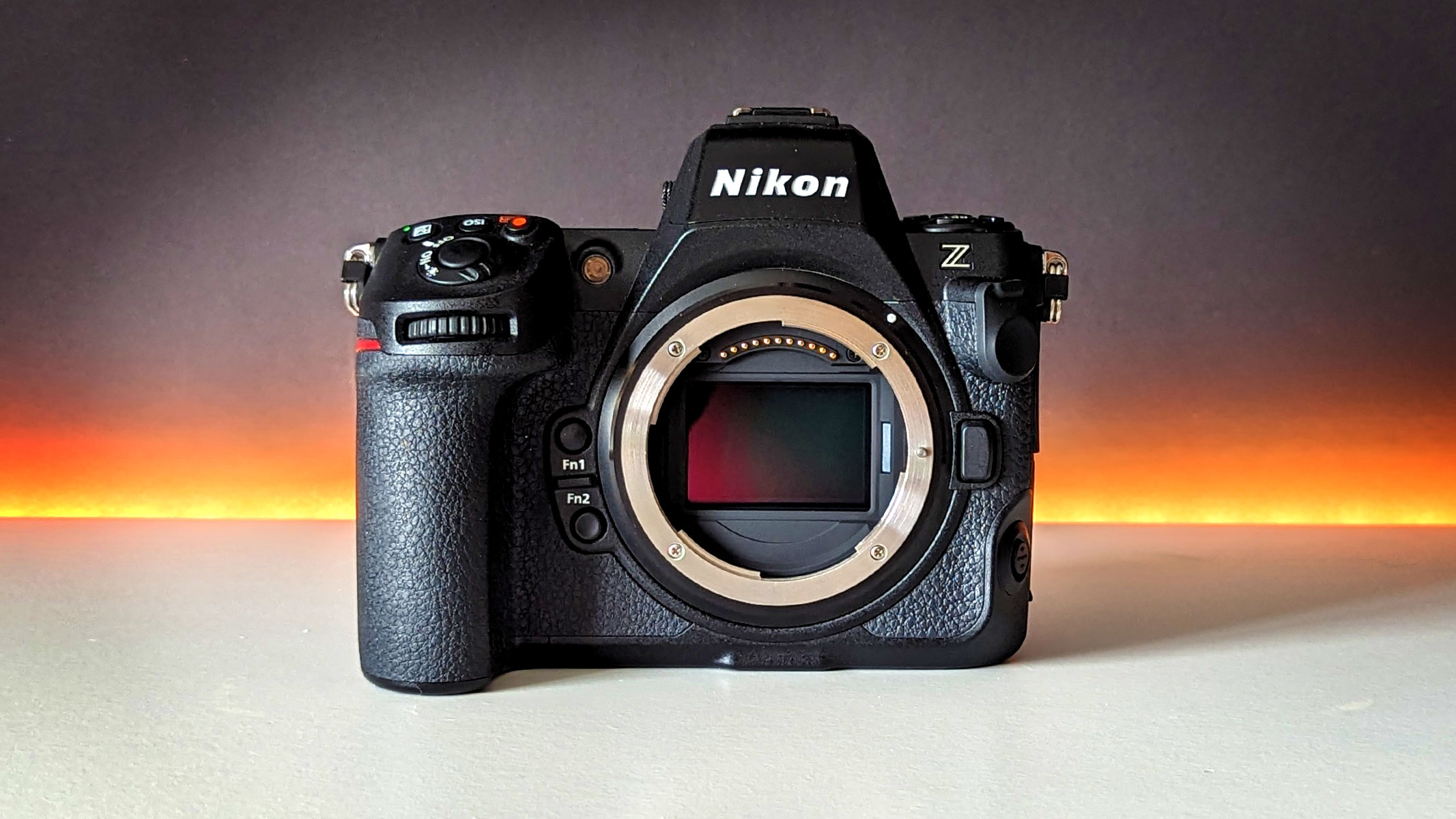
The Nikon Z8 excels in just about every department and we rate it as the best overall camera out there. It features a full-frame 45.7MP sensor, 8K video capabilities and, of course, excellent low-light performance. Check out our Nikon Z8 review for more.
"The meteors we see early and late during the activity are most likely the oldest as they have obviously been perturbed from the main orbit of the comet, which we encounter in mid-August," said Robsert Lunsford of the American Meteor Society in an email to Space.com.
The greatest number of meteors can be seen in the predawn hours of Aug. 13 as the shower reaches peak activity, when Earth passes through the densest section of the debris stream left behind by comet Swift-Tuttle.
Want to capture your own photos of the Perseid meteor shower? Then be sure to read our guide detailing how to image shooting stars, along with our roundups of the best cameras and lenses for astrophotography.
Editor's Note: Did you capture a photo of a Perseid and want to share it with Space.com's readers? Then please send your photos and comments, along with your name and location to spacephotos@space.com.
What's Your Reaction?
 Like
0
Like
0
 Dislike
0
Dislike
0
 Love
0
Love
0
 Funny
0
Funny
0
 Wow
0
Wow
0
 Sad
0
Sad
0
 Angry
0
Angry
0









Comments (0)